No matter how dedicated you are to your skincare routine, sometimes your skin just needs a reset. Whether you’re dealing with persistent breakouts, acne-prone skin, dark spots, fine lines, or a tired, uneven complexion, chemical peels offer a safe and effective way to reveal fresher, healthier-looking skin.
By gently exfoliating the outermost layer of your skin, these professional peels help clear away dead skin cells, refine texture, and brighten your tone—all without invasive procedures or extended downtime. Depending on your skin type and goals, your Dermapure expert will recommend the appropriate type of chemical peel, tailoring the depth and chemical solutions to your unique needs.
Here’s what you need to know before your consultation: from the different types of peels available to what you can expect before, during, and after this cosmetic treatment.
Tired of Dull, Uneven Skin? A Peel Might Be What You Need
If your skin looks dull, feels rough, or doesn’t respond to your usual skincare routine, it may be time for a professional reset. Chemical peels offer a powerful yet controlled way to refresh your complexion and treat a wide range of concerns from texture and tone to acne and signs of aging.
What Is a Chemical Peel?
A chemical peel is a professional in-clinic treatment that uses active exfoliating acids, like glycolic, lactic, salicylic, or trichloroacetic acid, to remove the outermost layers of the skin. These carefully selected chemical solutions dissolve the bonds between dead skin cells, allowing the dull, superficial layer to shed naturally and reveal a fresher, healthier-looking complexion underneath.
Peels range from light to deeper resurfacing treatments, depending on the depth of skin penetration required. Your Dermapure expert will recommend the appropriate type of peel based on your skin type, sensitivity, and the specific concerns you want to address.
What Can a Chemical Peel Really Do for Your Skin?
Think of a peel as a controlled reset for your skin—refining its appearance from the surface down to the deeper layers. By accelerating cell turnover, chemical peels help smooth rough texture, brighten uneven skin tone, and support long-term skin health.
When applied in a clinical setting and tailored to your unique skin profile, a chemical peel can:
- Gently exfoliate rough or dull skin
- Reveal a brighter, more even skin tone
- Minimize the appearance of sun damage, acne scars, and brown spots
- Improve skin texture and reduce early fine lines
- Decongest pores and reduce breakouts
- Enhance the absorption of skincare products
- Stimulate collagen production for firmer, more resilient skin over time
Whether you’re managing acne-prone skin, post-inflammatory pigmentation, or signs of aging, peels offer a versatile and progressive solution. They can be used as a seasonal skin refresh or integrated into a broader, medical-grade treatment plan—often alongside microneedling, lasers, or personalized skincare—to elevate your results safely and effectively.
Why Choose a Professional Peel Over At-Home Options?
While mild exfoliating acids like glycolic or salicylic acid can be found in at-home skincare, professional chemical peels go further. In-clinic treatments use medical-grade formulations with higher potency and advanced delivery systems to reach deeper layers of the skin safely and effectively.
What sets a professional peel apart?
- Stronger active concentrations than over-the-counter products
- Precise, personalized application based on your skin type and condition
- Enhanced safety and control, with every step monitored by trained professionals
- Faster, more noticeable results, with minimal recovery time
At Dermapure, your expert closely monitors your skin throughout the peel, adjusting application time, technique, or layering to ensure your comfort while effectively addressing concerns like uneven tone, breakouts, or visible signs of aging.
Types of Chemical Peels
Not all peels are created equally, each works at a different depth of the skin, and each is selected based on your skin’s specific needs. At Dermapure, your clinician will recommend the appropriate type of peel depending on your skin type, concerns, and treatment goals.
Light Peels: A Subtle Refresh
Light chemical peels, also called superficial peels, focus on the outermost layer of your skin. By gently exfoliating dead skin cells from the stratum corneum and upper epidermis, they help restore glow, refine pores, and rebalance the skin’s texture without irritation or downtime.
These mild acids offer an ideal first step into professional skincare. Whether you’re managing mild acne, dullness, or simply looking to refresh your complexion, light peels deliver visible yet subtle improvements that fit seamlessly into a regular skincare routine.
Common ingredients used in these treatments include:
- Lactic acid for hydration and glow
- Low-strength glycolic acid for gentle exfoliation and clarity
- Salicylic acid to purify pores and support acne-prone or oily skin
What you’ll notice:
- Brighter, more even-toned skin
- Smoother texture and refined pores
- Fewer surface breakouts and better hydration
Recommended frequency: Every 2 to 5 weeks, depending on your skin condition and goals. These peels are also perfect to schedule seasonally, helping the skin transition smoothly between weather changes.
Medium Peels: Dermapure Signature Peel
Medium-depth peels go beyond the skin’s surface, working through the entire epidermis and reaching into the upper layer of the dermis. This added depth allows them to treat more established concerns like sun damage, uneven skin tone, acne scars, fine lines, and visibly rough texture—all while supporting healthier, more resilient skin from within.
At Dermapure, this is where our Signature Peel Powered by Functionalab makes a real difference.
Formulated with 20–30% glycolic acid, this medical-grade chemical peel uses slow-release technology to gradually deliver active ingredients, ensuring deep exfoliation without triggering irritation. Even patients with sensitive skin can benefit from smoother texture and refined tone, all with minimal downtime—just a few days of light flaking or dryness.
Why patients choose this option:
- Visibly smoother, clearer skin
- Brighter complexion with reduced dark spots and discoloration
- Better absorption of your skincare routine
- Progressive collagen stimulation to improve skin firmness and elasticity over time
Other effective medium peels include:
- Jessner Peel, a blend of salicylic acid, lactic acid, and resorcinol, great for acne-prone and uneven skin
- Low-concentration TCA peels (trichloroacetic acid) for pigment and surface texture correction
Recommended frequency: Every 4 to 6 weeks as part of a professional treatment plan or between laser treatments and microneedling for enhanced synergy.
These peels are especially effective during seasonal transitions, helping your skin adapt and reset between temperature shifts and environmental stressors.
Deep Peels: Advanced Rejuvenation
Deep peels penetrate through the entire epidermis and reach into the mid to lower dermis, making them the most intensive form of chemical exfoliation available. These powerful treatments are reserved for advanced signs of skin aging, such as deep-set wrinkles, severe acne scars, or precancerous growths like actinic keratosis.
Because they involve a controlled injury to deeper dermal layers, deep peels offer dramatic improvement in skin texture and tone—but they also come with significant downtime, strict post-care protocols, and a higher risk of complications, especially for darker skin tones.
Indicated for:
- Deep facial lines and wrinkles
- Atrophic acne scars or pitted texture
- Photodamage from long-term sun exposure
- Certain pre-cancerous skin conditions
Results:
- Profound skin resurfacing
- Lasting improvements in firmness, tone, and clarity
- May eliminate the need for repeat treatments for several years
Frequency: One-time treatment, due to the depth of skin penetration and lasting results.
While deep peels can be transformative, they are not suitable for every patient. Your Dermapure skin expert can guide you toward alternative treatments, such as a medium chemical peel, laser resurfacing, or a tailored multi-modality approach, to safely achieve visible, sustainable results.
Beyond the Peel: Extending Your Results
Right after a chemical peel, your skin is in repair mode and especially receptive to regenerative support. This is why an exosome therapy add-on, applied immediately post-treatment in clinic, can help calm visible redness, accelerate recovery and enhance overall results.
To continue supporting your skin day after day, an advanced at-home serum such as EXO-GF by Functionalab, powered by plant-based exosomes, reinforces renewal, hydration and resilience—helping you maintain the benefits of your peel between visits.
What to Expect: Before, During, and After the Peel
Before Your Peel
Your journey starts with a personalized in-clinic consultation. During this session, your Dermapure specialist will assess your skin type, concerns, and desired outcomes to determine the most appropriate type of chemical peel. You’ll also receive guidance to properly prepare your skin, which helps ensure a safe, effective experience. This may include:
- Stopping retinoids, exfoliants, AHAs/BHAs and other actives ingredients, depending on your skin type and treatment plan (e.g., benzoyl peroxide, vitamin C, or enzymatic exfoliants), may also need to be paused.
- Avoiding sun exposure and treatments like waxing or threading that may sensitize the skin.
- Hydrating and fortifying the skin barrier using targeted pre-treatment skincare, such as the Functionalab Pre/Post-Treatment Cream 2.
During Your Peel
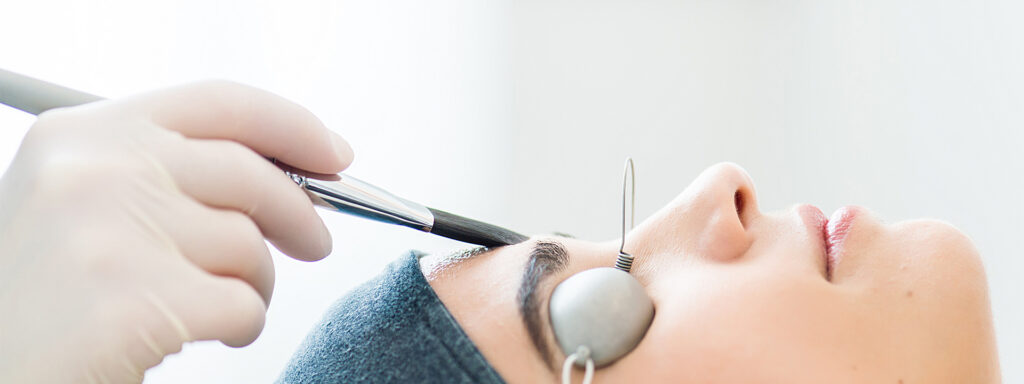
Your appointment typically lasts 30 minutes or less. After thoroughly cleansing your skin, your provider will apply a protective balm to delicate areas (around the eyes, nose, and lips), followed by the chemical peel solution.
You may feel a mild tingling or warmth, which is expected and temporary. The solution is left on for a carefully controlled amount of time depending on your skin’s tolerance and the type of peel used. Once complete, your skin is soothed with Functionalab serums, followed by a mineral SPF 50 to protect the freshly exfoliated skin.
After Your Peel
What happens after your peel is just as important as the treatment itself. In the following days, you may notice light flaking, dryness, or redness—these are normal signs of exfoliation as the skin renews itself. Your provider will offer tailored aftercare recommendations to support healing and enhance your results.
Key tips for post-peel care:
- Apply broad-spectrum SPF 50 daily and avoid direct sun exposure
- Do not pick or peel flaking skin, even if tempting
- Use gentle, non-stripping cleansers and hydrating moisturizers
- Pause active ingredients (retinoids, exfoliants) until your skin fully recovers
- Support renewal with an advanced serum like EXO-GF by Functionalab, formulated with plant-based exosomes to reinforce hydration, resilience and skin regeneration
To prolong and enhance your glow, your Dermapure expert may also recommend Functionalab post-care products, specially formulated to restore comfort, reinforce the skin barrier, and keep results looking fresh between treatments.
How Often Should You Get a Chemical Peel?
There’s no single rule. Frequency depends on your skin’s condition, concerns, and goals. Here’s a general breakdown to guide you:
- Light peels: every 2 to 5 weeks for radiance, prevention, or ongoing maintenance. Many patients opt for them between seasons to help the skin adjust to environmental changes.
- Medium peels (like the Dermapure Signature Peel): typically recommended every 4 to 6 weeks in a corrective series. After reaching your goals, a seasonal peel—especially in spring and fall—can help maintain glow and balance.
- Deep peels: done once every few years, if needed, and only under strict medical supervision. These are not offered at Dermapure, as they involve longer recovery times and greater risks.
Your skin expert will create a tailored plan based on your needs, whether it’s a one-time refresh or part of a long-term strategy.
Contraindications: When to Postpone or Avoid a Peel
Chemical peels are safe and beneficial for most skin types, but treatment may need to be delayed or avoided if you:
- Are pregnant or breastfeeding
- Have a sunburn or active skin infection
- Have open wounds in the treatment area
- Are currently using isotretinoin (Accutane) or have used it in the past 6 months
- Have a history of keloids or cold sores (prophylactic treatment may be advised)
- Have undergone a recent laser treatment or deep exfoliation
During your consultation, your Dermapure expert will assess your skin, medical history, and treatment timing to ensure safety and optimal results.
Ready for Radiant Skin? Let’s Get Started
Whether you’re looking to smooth rough texture, brighten dull or uneven skin tone, fade dark spots and pigmentation, or simply give your complexion a fresh start, chemical peels offer a safe, clinically proven way to renew your skin with visible, lasting results. By targeting the outermost layers of damaged skin cells, peels help reduce fine lines, improve skin clarity, and support collagen stimulation for firmer, more radiant skin.
At Dermapure, every medical-grade chemical peel is personalized to your skin type, condition, and goals. Your provider will assess factors like sensitivity, acne-prone skin, pigmentation, and overall skin texture to build a custom plan using active exfoliating acids like glycolic acid, lactic acid, or salicylic acid. From your first in-clinic treatment to your tailored at-home care routine, you’ll be guided every step of the way.
Your skin deserves expert, professional care — and that starts with a consultation. Book your appointment today and take the first step toward brighter, smoother, healthier-looking skin.